Why Local SEO Software Matters for Modern Search Optimization
Running a local business means your customers are often just a few blocks away. But if your website doesn't show up when they search for your services, those potential clients might never find you. I have spent years working with small to medium businesses trying to improve their local search rankings, and one thing is clear: relying on manual efforts alone is no longer enough. The local search algorithm has grown more sophisticated, and the tools we use need to reflect that complexity.
When I first started optimizing for local search, I would spend hours checking Google Business Profile listings, auditing citations, and tracking rankings by hand. It was slow, error-prone, and I often missed important signals. That is where local seo software comes in. These platforms automate the tedious parts of the job and surface insights that would otherwise stay hidden. They are not a replacement for good judgment, but they are a force multiplier for anyone serious about local visibility.
Understanding the Local Search Ecosystem
Local search is different from organic search in several key ways. Google pulls from a mix of signals including proximity, relevance, and prominence. The Google Local Pack - those three business listings that appear above organic results - is the most visible prize. But getting there requires more than just a well-optimized website. You need consistent NAP consistency across hundreds of directories, a steady stream of positive reviews, and a Google Business Profile that is fully claimed and optimized.
I have seen businesses with great websites fail to rank simply because their address was listed differently on Yelp and Facebook. That is where tools like Moz Local and Yext come into play. They help manage citation building and citation cleanup at scale. But using them effectively requires understanding the underlying ranking factors. This is where local seo software shines - it pulls data from multiple sources and shows you what actually matters for your specific market.
Key Components of a Local SEO Strategy
Over the years, I have found that a solid local SEO strategy rests on a few core pillars. Each one feeds into the others, and neglecting any can hurt your overall performance.
- Google Business Profile optimization - including GMB Insights, posts, and Q&A
- Consistent NAP consistency across all directories and platforms
- Review management - responding to feedback and encouraging new reviews
- Localized content and schema markup for your service areas
- Geo-targeting through location pages and structured data
These elements do not work in isolation. For example, schema markup helps Google understand your business type and location, which can improve your chances of appearing in Google Maps results. And review management directly influences your rating, which is a known ranking signal in the local search algorithm.
How Local SEO Software Helps You Work Smarter
The best local seo software does not just automate tasks; it provides context. When I run a local SEO audit for a client, I want to see where their citations are broken, which competitors are ranking in the Local Pack, and what keywords are driving traffic. Platforms like BrightLocal and Whitespark offer audit tools that scan the web for listing inconsistencies and suggest fixes. RankTracker modules inside these tools let you monitor your positions for near me search queries and see how they change over time.
One feature I rely on heavily is rank tracking with geo-targeting. A business in Chicago might rank well for "plumber" in one neighborhood but not another. Local seo software that supports location-specific tracking shows you those differences. Without that granularity, you might think your optimization is working when it is actually missing a key segment of your audience.
Another area where these tools excel is citation cleanup. I once worked with a dental practice that had 40 different directory listings, each with a slightly different phone number. Using a tool like Yext or Moz Local, we identified every inconsistency and corrected them in bulk. Within two months, their Google Maps ranking improved by five positions. That kind of result is hard to achieve manually.
The Role of Data in Local Search Decisions
Data is only useful if you can interpret it correctly. SEO ranking factors change frequently, and what worked last year might not work today. Google's RankBrain and other machine learning components mean the local search algorithm is constantly evolving. I have seen businesses chase after backlinks when their real problem was poor NAP consistency. Without the right data, you waste time and money.
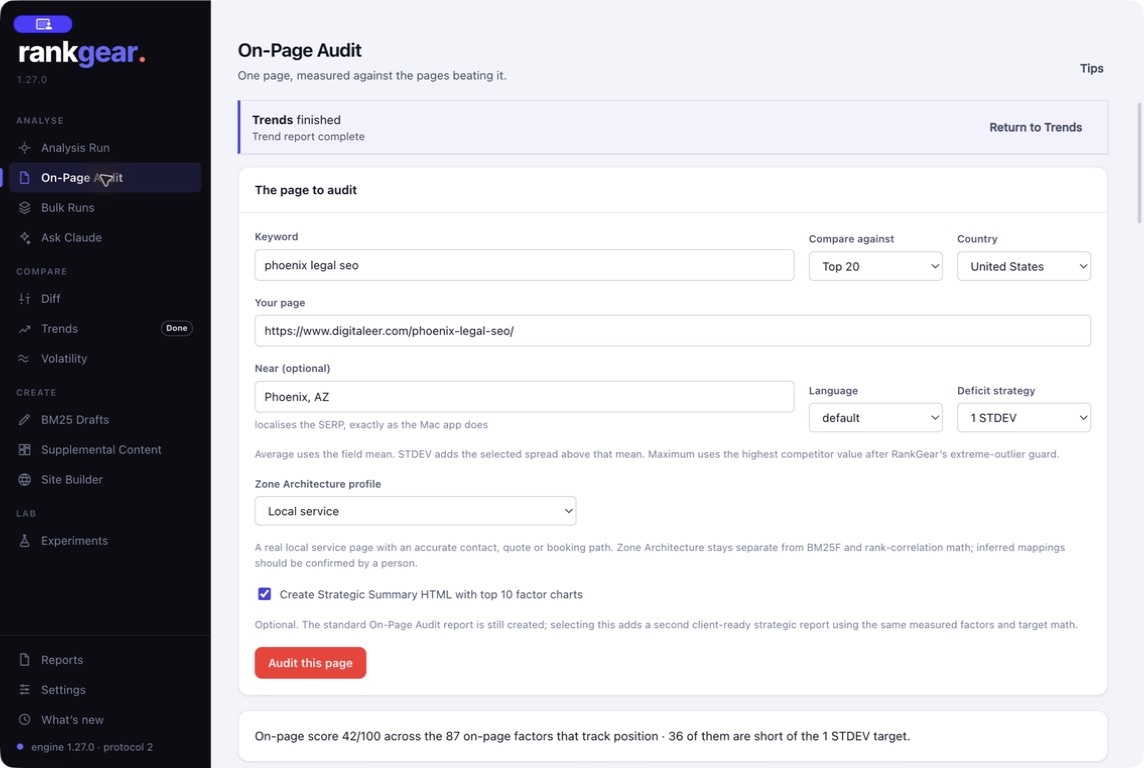
That is why I prefer tools that offer actionable insights rather than just raw numbers. For example, GMB Insights tells you how customers find your listing - whether through direct search, discovery, or branded queries. Combining that with rank tracking data helps you understand which optimization efforts are driving real visibility. BrightLocal's reporting features, for instance, let you compare your performance against competitors in the same area.
I also use schema markup audits as part of my regular workflow. Many local businesses forget to add LocalBusiness schema to their websites. Even when they do, the markup often contains errors. Tools that scan for schema issues and suggest corrections can save you from losing ranking opportunities. Whitespark's Local Citation Finder is another example - it helps you find new citation opportunities based on your industry and location.
Balancing Automation with Human Judgment
No tool can replace the intuition of someone who knows their market. I have seen automated citation builders create listings on sites that have no relevance to the business. That can actually hurt your credibility. The key is to use local seo software as a guide, not a crutch. When you find a citation source that seems off, trust your gut and skip it.
Similarly, review management tools can help you monitor feedback across platforms, but they cannot write personalized responses for you. A generic reply to a negative review can do more harm than good. You still need a human touch to maintain trust.
Common Mistakes I See in Local SEO
After working with dozens of local businesses, I have noticed a few recurring mistakes. One is neglecting mobile optimization. Most local searches happen on phones, and if your site loads slowly or is hard to navigate on a small screen, you will lose customers regardless of your ranking. Another is ignoring the importance of local content. A blog post about "best hiking trails near Denver" might not directly mention your business, but it signals relevance to Google's local search algorithm.
I also see businesses over-optimizing their Google Business Profile. Stuffing keywords into the business name or category fields can lead to suspension. The guidelines are clear: your business name should match what is on your storefront. Trying to game the system usually backfires.

Measuring What Matters
Finally, you need to measure the right metrics. Ranking in position one for a low-volume keyword might feel good, but it does not pay the bills. I focus on tracked queries that have actual search volume and commercial intent. Tools like RankTracker allow you to segment keywords by location and device, which gives you a clearer picture of your real visibility.
Local SEO is not a one-time project. It requires ongoing attention. But with the right local seo software, you can spend less time on busywork and more time on strategy. Whether you are a solo practitioner or part of a larger agency, these tools help you stay competitive in a space where every detail matters.